
Panaplast is a material house specialising in laminates for interiors. We believe in the power of design to make life more beautiful. With a deep reverence for creativity and architecture, our timeless designs bring character and vitality to spaces.
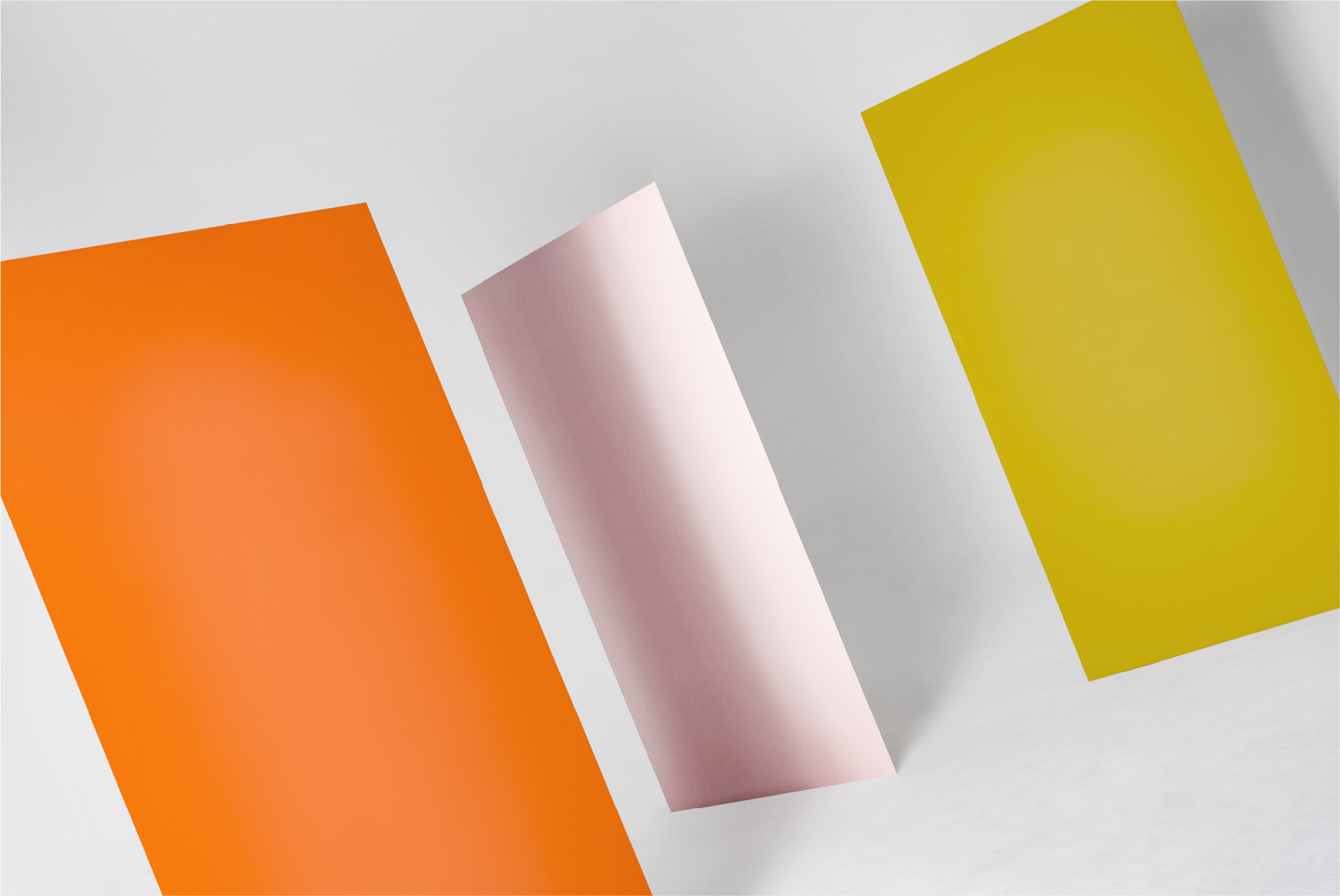

Our Approach
Our laminate designs are rooted in a great respect for architecture and interior design. For inspiration we look to the simplicity of the natural world. Panaplast palettes are timeless, and our high-quality finishes are pleasing to the touch – each design is intended to complement and anchor the cherished pieces in your life.
We approach our collections with an expert understanding of how different materials interact across environments, from which surfaces appear most beautifully beneath morning sunlight to the tactile finishes that bring joy to high-traffic spaces.

We Believe In Better Design
We’re guided by a desire to constantly improve on what came before. As such, we’re committed to creating innovative and high-quality laminates and surfaces that are attainable for more people. Our collections offer a considered range of different finishes and forward-thinking features.
From our best-selling powder-mattes to antibacterial and fingerprint-free surfaces, we marry premium designs with progressive technologies.